
Only You Can Defend Your Business Against Cyberthreats
Did you know that cyberattacks occur every 39 seconds? Do the math: with those numbers, it’s only a short amount of time before your business experiences a cyberthreat.
With the ever-increasing frequency and sophistication of cyberthreats, establishing a culture of cybersecurity isn’t just a precaution—it’s a necessity. Building a robust cybersecurity culture helps protect your business’s sensitive information. It ensures that your organization can continue to thrive even in the face of digital threats.
In this blog, we’ll outline the essentials of creating a cybersecurity-conscious organization. We’ll define what a cyber-aware culture is, highlight the significance of security awareness training, show you five steps for building a culture of cybersecurity awareness, and provide methods for assessing your current cybersecurity posture.
Let’s dive into how you can foster a security-first mindset within your organization.
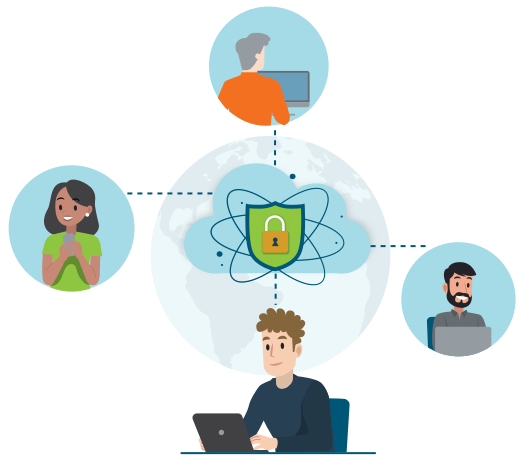
What Is a Cyber-Aware Culture?
Businesses that have a “cyber-aware culture” have cybersecurity at the top of their minds, deeply integrated into every aspect of their operations. Being “cyber-aware” isn’t just about having the latest firewall or Pentagon-level defense system—it’s about creating an environment where security is a shared responsibility. To be successful, a cyber-aware culture combines technology with organizational policies and individual awareness of cybersecurity.
With vital business priorities like maintaining profitability, employee retention, and supply chain efficiencies, why does having a cyber-aware culture matter? When it comes to preventing a devastating cyberattack, hackers don’t care how they get into your network. Everyone is responsible for protecting your business.
A strong cyber-aware culture ensures that cybersecurity isn’t just a matter of processes and tools but also a core part of your organization’s values and practices. By fostering a robust cyber-aware culture, you also demonstrate to your customers that their privacy and data are of utmost importance to your organization, enhancing trust and loyalty by showing that you’re serious about protecting their information.
Importance of Security Awareness Training (SAT)
What Is Security Awareness Training?
Security Awareness Training (SAT) is a structured program designed to educate your employees on safe cybersecurity practices. By showing employees how to recognize the risks of sharing information online, SAT teaches them how to navigate the digital landscape more securely.
Ongoing Cybersecurity Education
Cyberthreats are constantly evolving, getting more complex and targeted every day. With that in mind, SAT isn’t a one-time event—it’s an ongoing process that educates employees on new risks, incorporating the latest best practices as new cyberthreats emerge. Regular updates and refresher courses are essential to help keep your team informed and your business prepared.
SAT Formats
Effective SAT programs utilize a variety of formats to engage employees and reinforce key concepts. These include interactive documentation, educational videos, quizzes, and detailed reports. By catering to different learning styles, you ensure that the training is both comprehensive and effective.
Promoting a Collaborative Approach to Cybersecurity
Encouraging a collaborative approach to cybersecurity within your organization enhances its overall resilience. When employees are actively involved in spotting and addressing potential threats, they contribute to a more dynamic and responsive security posture. This openness also helps reduce the risk of shadow IT and unauthorized tools, as employees feel more comfortable discussing and addressing cybersecurity concerns.
What Are the Benefits of a Cyber-Aware Culture?
- Increased Vigilance. When employees are aware of their role in cybersecurity, they are more likely to notice unusual activities or potential threats. This collective vigilance helps strengthen your organization’s defenses.
- Enhanced Problem-Solving. Collaborative efforts can lead to innovative solutions and improvements in security practices. Employees from different departments bring diverse perspectives that can help identify and mitigate risks more effectively.
- Stronger Security Culture. A collaborative approach reinforces the idea that cybersecurity is everyone’s responsibility. This shared commitment fosters a stronger security culture where best practices are more consistently followed.
- Reduced Incidence of Shadow IT. When employees feel comfortable discussing their cybersecurity concerns and needs, they are less likely to resort to unauthorized tools and services. This transparency helps IT departments maintain control over the organization’s digital assets.
5 Steps for Building a Cyber-Aware Culture
1. Develop Policies Together
Engaging stakeholders from across your organization when creating and refining cybersecurity policies ensures that these policies are relevant, practical, and more likely to be followed. Here’s how you can do it:
- Inclusive Policy Development. Form a cross-functional team to participate in policy development. Include representatives from various departments and levels of leadership to ensure diverse input and buy-in.
- Clear Communication. Once policies are established, communicate them clearly to all employees. Use straightforward language and provide examples to illustrate key points. Regularly update policies to reflect the evolving threat landscape and ensure employees are informed about these changes.
2. Establish a Clear Reporting Process
A straightforward process for reporting cybersecurity incidents encourages employees to report potential threats promptly.
Creating multiple channels for reporting incidents, such as a dedicated email address, phone number, or email-based reporting tool (for example, a Phish Alert Report button in Outlook), ensures that it’s easy for employees to report potential threats. Additionally, offering anonymous reporting options can help alleviate the fear of personal consequences.
In your reporting process, it’s also essential to establish a protocol for responding to reported incidents quickly. Acknowledge receipt of the report, investigate the issue, and provide feedback to the reporting employee about the actions taken.
3. Foster Open Communication
Encouraging open communication about cybersecurity helps build trust and reduces the likelihood of employees hiding mistakes or potential security breaches.
We encourage clients to hold regular meetings or updates to discuss cybersecurity issues, share recent incidents, and review best practices. To help open further communication channels, you can identify and train “cybersecurity champions” within each department who can act as liaisons between your security team and their colleagues.
Finally, it’s important to have feedback mechanisms in your plan. These mechanisms help employees provide feedback on what’s working, what they’re concerned about, and how procedures are affecting their day-to-day work.
4. Provide Ongoing Education and Training
Continuous education ensures that employees stay informed about the latest threats and best practices. Effective ongoing education involves:
- Regular Training Sessions. Schedule regular training sessions that cover new threats, updates to policies, and refreshers on basic cybersecurity practices. Use a variety of formats such as webinars, workshops, and interactive modules. Learn more about Security Awareness Training.
- Phishing Simulations. Conduct regular phishing simulations to test employees’ awareness and response to phishing attempts. Use the results to identify areas for improvement and provide targeted training. Learn more about phishing.
- Role-Based Training. Tailor training programs to different roles within the organization. For example, IT staff may require advanced training on threat detection, while general employees need to focus on email/inbox security.
5. Celebrate and Recognize Good Practices
Recognizing and celebrating employees who demonstrate good cybersecurity practices reinforces a positive culture of cybersecurity awareness.
For example, implementing recognition programs that reward employees for reporting incidents, completing training, and following best practices can get people more involved in a security-first culture. This program can include certificates, shout-outs in company communications, or small rewards. For more competitive offices, you can gamify your cybersecurity program by adding leaderboards, badges, or competitions to make learning and participation more engaging and fun.
Getting Started: Cybersecurity Risk Assessment
A cybersecurity risk assessment is a crucial process that evaluates your organization’s technology, processes, and strategies to provide a comprehensive understanding of your cybersecurity posture. It helps identify vulnerabilities and areas needing improvement.
Critical pieces of a cybersecurity risk assessment include:
- Vulnerability Assessment. Identifying and evaluating weaknesses in your systems.
- Research. Conducting dark web research and reviewing your current cybersecurity policies to uncover hidden threats.
- Real-Time Phishing Testing. Simulating phishing attacks to assess employee responses and preparedness.
- Building a Cybersecurity Plan. Develop a comprehensive plan to address identified risks and enhance your overall security posture.
We Help Keep Your Business Safe.
Creating a strong cybersecurity culture involves more than just implementing security measures; it requires a commitment to fostering a security-first mindset across the organization. By integrating security awareness into your company culture, investing in ongoing training, encouraging collaboration, and regularly assessing your cybersecurity posture, you can build a resilient defense against digital threats.
Are you ready to start enhancing your organization’s cybersecurity culture? Contact High Touch Technologies today for a comprehensive cybersecurity risk assessment or to learn more about an effective security awareness training program.
Effective cybersecurity is not only crucial for protecting your business from financial loss but also for maintaining your reputation and the trust of your customers. Investing in a robust cybersecurity culture ensures your organization is prepared for the challenges of today’s digital landscape and secure for the future.